Sunday, March 31, 2024

Adding Adaptive Cruise Control Complete! Ford Truck Enthusiasts Forums

add adaptive cruise control

However, cruise control didn’t evolve much beyond the first system that found its way into the 1958 Chrysler Imperial. Rostra has been manufacturing these cruise control units for years and is an ISO9001-certified company that has proven to be one of the largest manufacturers of cruise controls in the United States. When towing a trailer with Adaptive Cruise Control, it is important to properly set the Trailer Gain. Check your Owner’s Manual for more information on setting Trailer Gain. Many times, the holes will already be pre-drilled, and all you have to do is to put the system in place and plug it into the wiring harness. One thing to keep in mind is that the system works just as well by day or night, but situations such as snow, heavy rain, or fog can hamper its ability to judge distances accurately.

2020 GMC Sierra 1500 Gets Adaptive Cruise Control, Expanded 10-Speed Auto - MotorTrend

2020 GMC Sierra 1500 Gets Adaptive Cruise Control, Expanded 10-Speed Auto.

Posted: Mon, 20 May 2019 07:00:00 GMT [source]

Can I Add Adaptive Cruise Control to My Car?

Adaptive cruise control (ACC) is an excellent feature that is now offered as standard on many newer vehicles. A cruise control switch integrates with the turn signal lever. The first ACC system to reach the U.S. market was in the 2001 Lexus LS 430. The "Dynamic Laser Cruise Control System" used a laser-based sensor to estimate traffic distance. ACC systems fall into a spectrum of functionality, as the extensive computerization of the car has led to ACC systems that do much more than merely follow a car ahead at a fixed distance. Be careful while doing so, misalignment or damage to the CCM module will trigger “adaptive cruise not available sensor blocked see manual” alert in your F150.

Rostra 250-9636 Cruise Control Kit For Full Size Ford Transit

If the instructions are not followed correctly, the system may not work properly, or it may not work at all. If you answered yes (or you’re willing to learn), then cruise control might be coming soon to your vehicle. And if you think this is beyond your skill set, most auto shops can install a kit for you. If you’re an auto enthusiast, you probably take pleasure in the response from stomping the gas pedal. But c’mon folks, we can also admit that a long highway trip is more pleasant with cruise control. Set a constant speed, lift your foot, and let the car glide down the pike.

Can Aftermarket Adaptive Cruise Control Be Added To Ford F-150?

With years of hands-on experience in the automotive industry, I am Jabed Arafat, a seasoned professional dedicated to delivering precision and reliability in every repair. Specializing in diagnostics, maintenance, and intricate repairs, my skills extend across a diverse range of modern and classic vehicles. Your F-150 is ready to roll with Adaptive Cruise Control, making your driving experience smoother and safer. Adaptive Cruise Control became available recently as part of Ford’s advanced safety features. The 2015 Ford F-150 is the first pickup truck from Ford to include ACC.

Cruise control is still the more prolific of speed controls offered on today’s new cars, but adaptive cruise control has started gaining ground. More car models provide it as standard or as an available option. But, what exactly is adaptive cruise control, and how does it work? In essence, not only did the 1999 S-Class introduce the driver-aid technology adaptive cruise control (ACC), but it also set the cornerstone of the foundation for self-driving vehicles.
add adaptive cruise control

Adaptive Cruise Control should not be used while towing a trailer with an aftermarket trailer brake controller. Aftermarket trailer brake controllers may not function properly with the Adaptive Cruise Control system. Just like cruise control, Adaptive Cruise Control uses the cruise control ON/OFF, CANCEL, SET and RESUME buttons on the steering wheel. Adaptive cruise control is a nice thing to have in heavy traffic.

Not all systems work at low speeds, so drivers who plan to use ACC in slow traffic should check the limitations of any system they plan to buy. These particular systems will often have the words “traffic jam” or “stop and go” in their name. Is anyone surprised that carmakers can’t seem to agree on a single term for adaptive cruise control? ” We can sort of forgive Mercedes for its Distronic cruise control. Some call it adaptive cruise control as the root and then tack something onto it.

Tesla Cybertruck Recall: Unintended Acceleration

However, as ACC systems evolved and improved, we became more accustomed to them. You can slow down or accelerate your cruise by using this switch for ease of use. The cruise controls feature set speed, tap up/tap down (1 mph per tap), coast/reduce speed, resume/accelerate, and controlled resume rate.

Can Adaptive Cruise Control Be Added Aftermarket?

Adaptive Cruise Control is an excellent addition to any vehicle, allowing you to maintain a safe speed and distance without having to manually adjust the cruise control. Aftermarket installation of adaptive cruise control is possible, but it should be done by a professional to ensure that it operates correctly and safely. With some research and the right tools, you can find the right setup to keep you safe and comfortable on the road. In our most recent survey, we asked CR members to rate their experiences with the advanced safety and driver assistance systems on their model-year 2017 to 2022 cars. Respondents answered questions about their satisfaction with the systems.

Level 3 – If Level 2 is partial self-driving, Level 3 is conditional full automation. A Level 3 self-driving system uses a wide spectrum of driver-assistance features and artificial intelligence (AI). These technologies collude to react to and make decisions about the vehicles’ ever-changing situations. In a Level 3 vehicle, the driver can completely surrender control of the vehicle’s operation on specific roads.

However, the ability to install CC in your car will depend on whether or not your car was designed to support it or if you would need to install all of the additional required components. On most vehicles, Adaptive Cruise Control can follow a vehicle ahead to a stop. When the vehicle ahead starts moving again, you should check that it’s safe to proceed and then either press the accelerator pedal or RESUME button to continue driving. For very brief stops, Adaptive Cruise Control will automatically resume and follow the vehicle ahead.

ACC technology is regarded as a key component of future generations of intelligent cars. The technology enhances passenger safety and convenience as well as increasing road capacity by maintaining optimal separation between vehicles and reducing driver errors. Still, not all cars come with a factory-installed cruise control module.


Can Adaptive Cruise Control Be Added Aftermarket?

add adaptive cruise control

But what if you already own a car and want to add this feature? In this article, we’ll explore the possibilities of adding ACC to your vehicle aftermarket, as well as the pros and cons of doing so. Systems with multiple sensors can practice sensor fusion to integrate the data to improve safety and/or driving experience. GPS data can inform the system of geographic features such as a freeway offramp.

Multi-sensor systems

Moreover, the more sophisticated systems with full stop and start or a low-speed traffic-jam feature work great for city driving. Typically, ACC gets included in a trim level or some sort of optional driver-assistance package on new cars. There continues to be plenty of confusion about self-driving or autonomous systems, what they are, and how they operate. However, the major difference between adaptive cruise control and a self-driving system is, ACC is simply a component of a driverless system.

Step 2: Install The HUD Module

add adaptive cruise control

These features are not essential for the functioning of the ACC system, but they can be useful for increasing safety. Radar-based ACC is often sold together with a precrash system,[43] which warns the driver and/or provides brake support if there is a high risk of a collision. Also in certain cars, it is incorporated with a lane maintaining system which provides a power steering assist to reduce steering input burden on corners when the cruise control system is activated. Yes, aftermarket adaptive cruise control can be added to your F150 but it’s a bit complex. It involves installing sensors, a specialized bumper cover, and a processing module. This is particularly true if you do a lot of highway driving.

Can You Add Adaptive Cruise Control Aftermarket?

This is for a top-of-the-line system that can work at speeds ranging from 60 mph to a full stop. This system allows you to set a distance from the car in front of you and let the car do the braking and acceleration. One question you might have is whether you can add ACC aftermarket to a vehicle that did not already have it installed. Some systems can work at speeds as high as 60 mph, but most are limited to speeds between 20 to 25 mph. Pressing and holding the Cancel button will switch between cruise control modes. If everything is working, your car should be ready for further testing on the highway.

While removing the grill is possible, it’s best to remove the bumper for easier installation. Using a small screwdriver or trim removal tool, gently pop out the blank plate where the HUD module will be installed. Attach the HUD module to the new trim plate and securely place it in the dashboard.

Is Aftermarket cruise control safe?

Some systems, like the standard version of Distronic or Honda’s ACC, will brake all the way to a stop, but then deactivate themselves. Other systems skip the low-speed functionality in favor of a more traditional high-speed adaptive cruise control system intended for highway usage. However, you will need additional components to make the cruise control work seamlessly in your car. It uses radar and camera sensors to detect the presence of other vehicles, and can even bring your car to a complete stop if needed.

Can I Add Adaptive Cruise Control to My Car?

A more recent development is the binocular computer vision system, such as that introduced to the US market in model year 2013 by Subaru. These systems have front-facing video cameras mounted on either side of the rearview mirror and use digital processing to extract depth information from the parallax between the two cameras' views. Yes, Ford Co-Pilot 360 Assist includes Adaptive Cruise Control in its suite of advanced driver-assist technologies. Getting Adaptive Cruise Control installed at a dealership could cost you roughly $3,000 to $3,500, covering parts and labor. Yet, DIY enthusiasts have managed to add it to their F-150s for under $1,200.

Rostra 250-9612 Ford Focus S/SE 2012 Electronic Cruise Control Kit 12

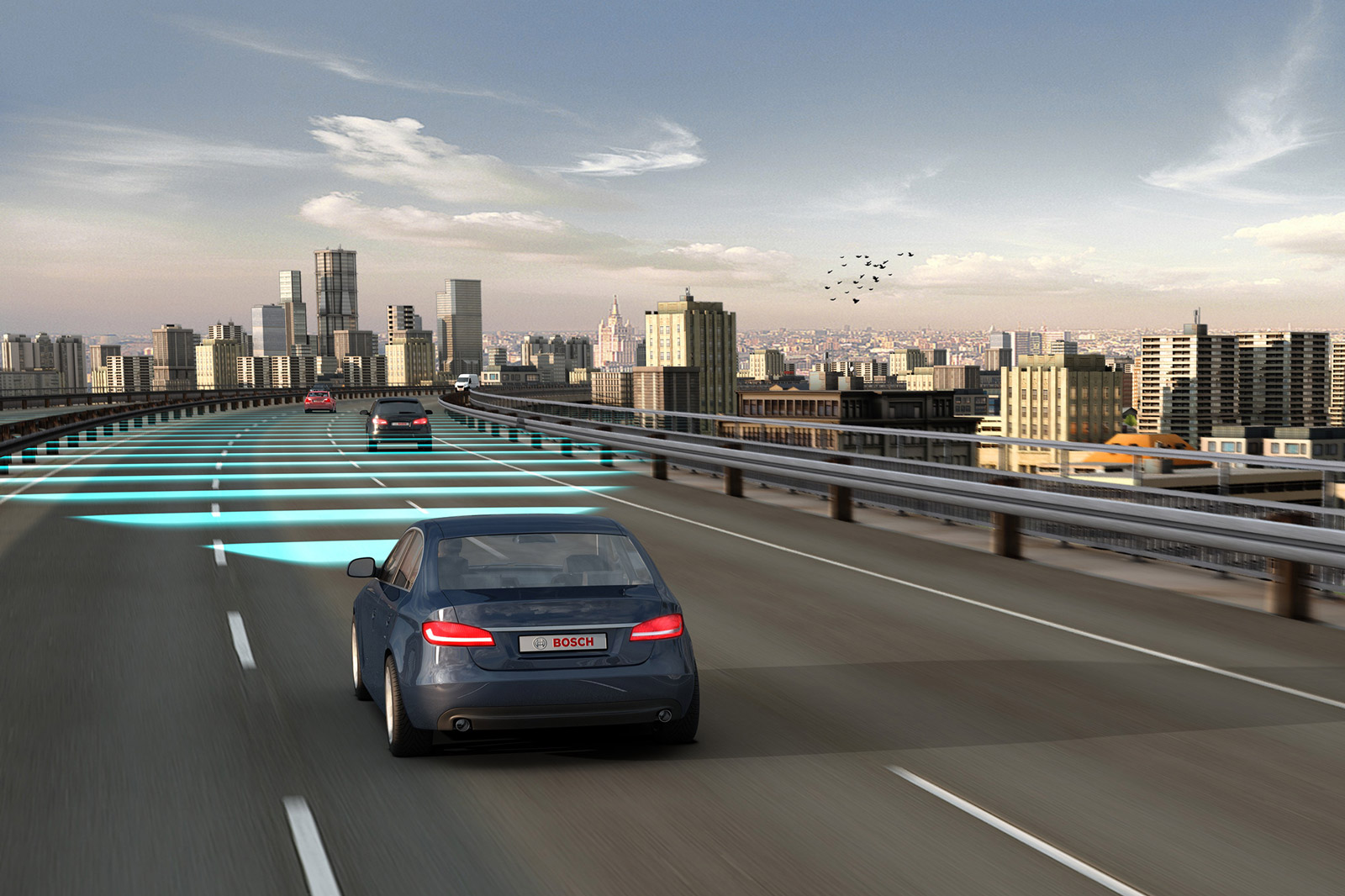
Essentially none of the ACC systems on the market today are standalone systems. Adaptive cruise control (ACC) is like traditional cruise control, but smarter. ACC systems allow you to set a desired speed until your vehicle encounters slower-moving traffic. Then it will brake to maintain a set distance from the car ahead. Once the traffic starts moving again or if there is no longer a car in the lane ahead, ACC will accelerate to resume the previous set speed.

My VW Tiguan: Adding Adaptive Cruise Control, TPMS & more - Team-BHP

My VW Tiguan: Adding Adaptive Cruise Control, TPMS & more.

Posted: Fri, 11 Feb 2022 08:00:00 GMT [source]

Once you set your speed, the cruise control kit will measure the engine load and vehicle speed to ensure your car stays cruising at the desired speed. The Rostra Cruise control kit measures engine load and vehicle speed; to ensure your car stays cruising at the desired speed. However, the Adaptive Cruise Control system helps save on gas by sensing changes in traffic speed and adjusting your vehicle’s speed accordingly, which saves you gas in the long run. So at the end of the day, it is up to you to decide whether to add adaptive cruise control or not. You could retrofit aftermarket cruise control to any vehicle. However, it is a very complex process since it involves installing multiple sensors and actuators before programming them to automatically vary vehicle speed.

Adaptive cruise control enables a safe and comfortable driving experience by monitoring other vehicles and objects on the road. This helps the driver keep a steady vehicle speed at a given moment. Yes, it is possible to add Adaptive Cruise Control to your car aftermarket. You can purchase an aftermarket kit that includes a control module and all necessary components, such as a radar sensor and camera, to install the system.

That means the following distance will vary based on how fast you’re driving. The more you speed up, the farther back you’ll follow since it would take a greater distance to slow down or come to a stop. There are plenty of aftermarket kits to add cruise control to your ride. If you have some basic skills, this DIY upgrade can happen in an hour or two. Radar-based systems function in essentially the same manner as laser-based systems, but with the benefit that radar can penetrate through inclement weather and other obstacles more easily.

Safety or driver assistance features are no substitute for the driver’s responsibility to operate the vehicle in a safe manner. The driver should remain attentive to traffic, surroundings and road conditions at all times. Visibility, weather and road conditions may affect feature performance.

If you want to modify a car with cruise control with all available features of factory-installed cruise control, be prepared to pay between $2000 and $2500. If you are looking for minimal cruise control that would benefit speeds of up to miles per hour, these more basic ACCs can cost as low as $500. Retrofitting adaptive cruise control in your car has advantages and disadvantages. Although adaptive cruise control does much to alleviate the driver’s work behind the wheel, it does not make a car self-driving. The driver must remain alert and in control in case of any unexpected conditions on the road. Stick to aftermarket regular cruise control and control the top speed and braking manually.

Although the state of autonomous driving today is Level 2, a few carmakers are on the precipice of Level 3. For example, Tesla’s Enhanced Autopilot, Ford’s BlueCruise, the Mercedes Drive Pilot, and General Motors’ Super Cruise bring the potential for Level 3. A few over-the-air software tweaks will turn the potential into reality.

NY, NJ, PA, CT Tile & Stone

Table Of Content Home by Self Style Catering to today’s sophisticated home designs. Pure is the Next Essential Subway Collection Inspiring T...